

St Alkelda's Way
North of England


St Alkelda’s Way – Giggleswick to Middleham – 33 miles, 3 days
St Alkelda’s Way is a 33-mile self-guided pilgrimage walking route between St Alkelda’s Church in Giggleswick and St Mary and St Alkelda’s Church in Middleham. It passes through the landscapes of the Yorkshire Dales National Park, ancient pathways, dramatic geological gorges, monastic routes, and historic villages.
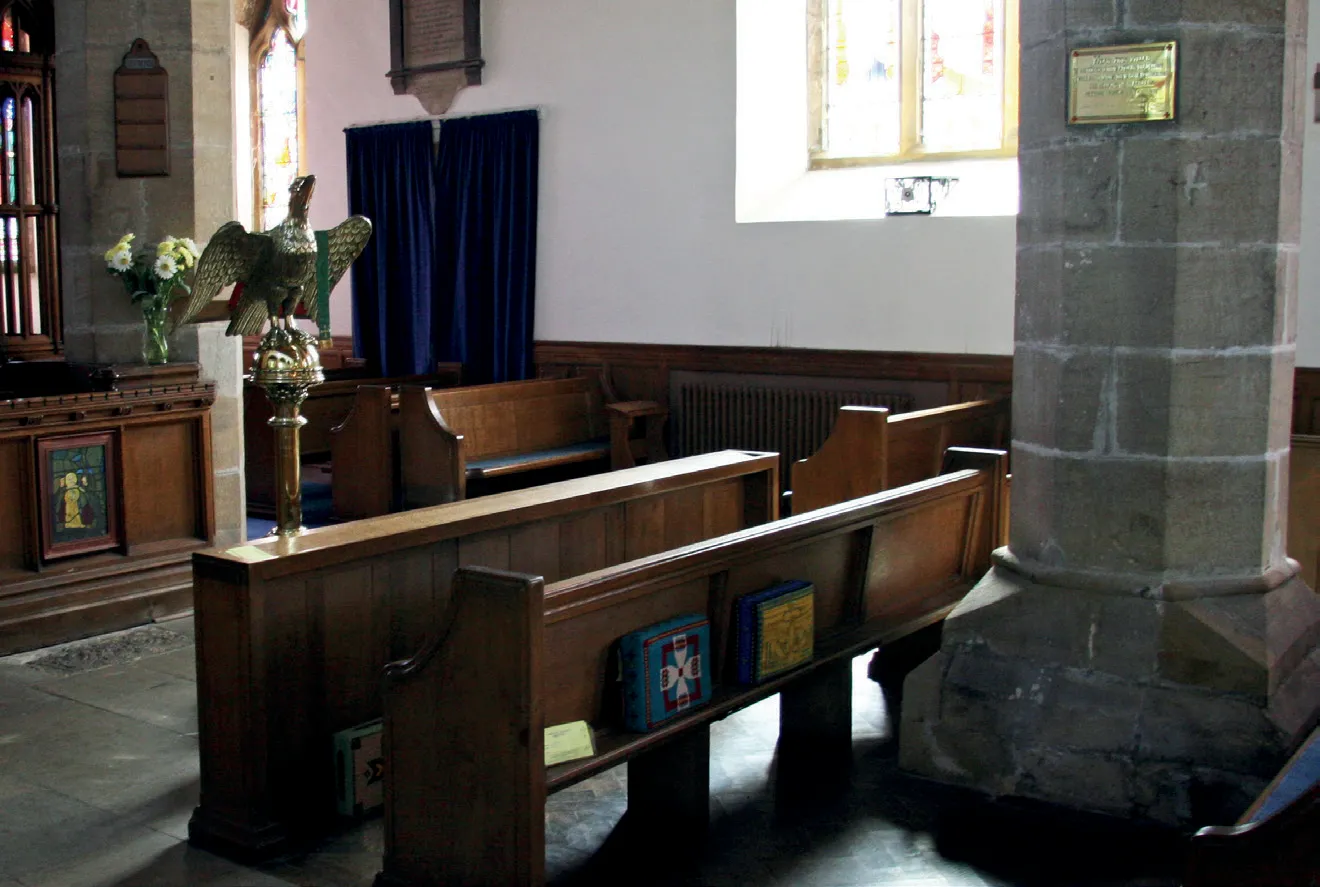
Little is known about St Alkelda beyond the legend that she was martyred in the late 9th or early 10th century, strangled with a girdle by Danish invaders, allegedly women. The name ‘Alkelda’ likely derives from the Old English for ‘holy well’, linking her to the sacred springs that were venerated in pre-Christian times. Her story has been kept alive through the dedication of churches in Giggleswick and Middleham, as well as a recently restored stained-glass window in Giggleswick Church depicting her martyrdom. This pilgrimage retraces her supposed journeys between these start and end points.
Day 1: Giggleswick to Malham (7 miles)
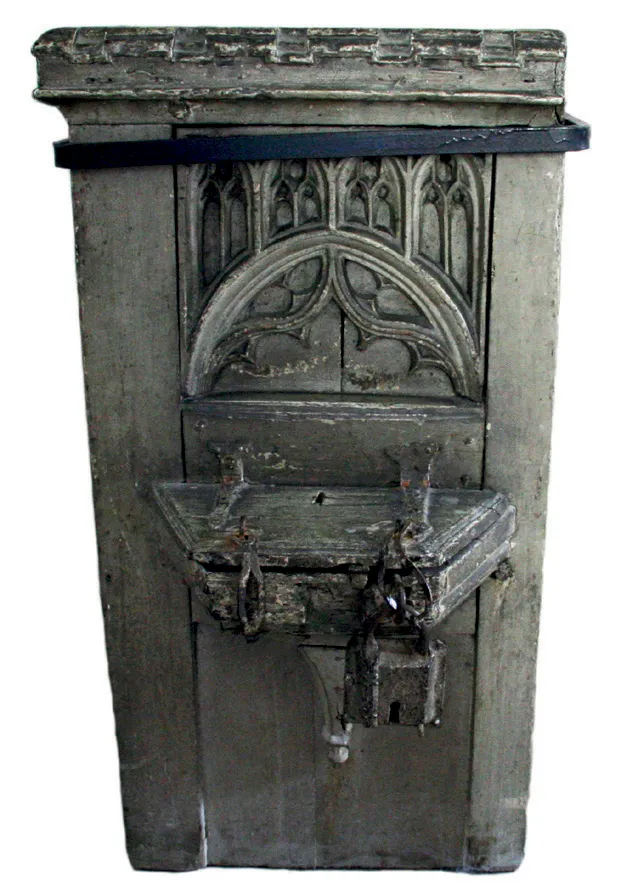
The pilgrimage begins at St Alkelda’s Church in Giggleswick, where walkers can explore its medieval sanctuary bolt, a historic relic from the time when fugitives could seek refuge within church walls, the local holy well and the mysterious stone cross shaft in the churchyard. Leaving the village, the path climbs steadily into the Dales, passing through limestone country containing prehistoric caves and Roman encampments. The landscape is shaped by the Craven Fault, an ancient geological feature that defines the meeting point of limestone and millstone grit. Shake holes, swallow holes, and erratic streams are the hallmarks of this karst topography, evidence of the interplay between rock and water over many millennia. Walkers pass Attermire Scar, a dramatic limestone cliff honeycombed with caves, before descending into Malham, a village famed for its breathtaking natural formations, including Malham Cove and Gordale Scar and the ‘Queen of the Fairies’ waterfall, Janet’s Foss.
Day 2: Malham to Kettlewell (10.5 miles)
The most challenging ascent of the route begins here, climbing up Malham Raikes and on to Mastiles Lane, an ancient Roman road that later became a monastic route used by the lay brothers of Fountains Abbey to move sheep across the Dales. This section offers spectacular views over the surrounding countryside, with rolling pastures, limestone pavements, and high moorland as far as the eye can pass. The route descends into Wharfedale at Kilnsey, passing the imposing Kilnsey Crag before crossing the River Wharfe to reach Conistone. The final tranquil stretch to Kettlewell is parallel to the river.
Day 3: Kettlewell to Carlton-in-Coverdale (10.5 miles)
Leaving Kettlewell, the path begins a steep climb up Park Rash, a challenging ascent that rewards walkers with sweeping views over the Dales. This road, once a key trade route, now serves as a remote, peaceful track into Coverdale. At the summit, near Tor Dyke, an Iron Age earthwork constructed to defend against Roman advances, the landscape changes dramatically, opening into the rolling hills and secluded pastures of Coverdale. The descent into the valley is gradual, leading past isolated farms and ancient field systems before reaching Carlton, a quiet village offering a restful stop for the night.
Day 4: Carlton to Middleham (5 miles)
The final stage of the pilgrimage follows the River Cover downstream, passing through an old medieval landscape. Coverdale was once home to monastic granges, where Cistercian monks managed sheep farming operations that financed their abbeys. Pilgrims pass the remains of these settlements before reaching Middleham, a town dominated by the imposing ruins of Middleham Castle, once the childhood home of Richard III. The pilgrimage concludes at St Mary and St Alkelda’s Church, where walkers can reflect on their journey and explore the historic interior, which contains further references to St Alkelda’s legend.
***
Accommodation is available at various points along the way, from traditional inns to bed and breakfasts, and a baggage transfer service can be arranged for those wishing to walk without heavy packs. Transport links are accessible at the start and end points, with train services to Settle and bus connections from Middleham.
St Alkelda’s Way is open to pilgrims of all backgrounds: this journey is unhurried and intimate, inviting pilgrims to move at their own pace and engage with the deep-rooted history of the land. The Yorkshire Dales provide a fitting backdrop for contemplation, their vast, open spaces inspiring reflection and a slower appreciation of the world and, of course, the beloved Swaledale sheep, dry stone walls and wayside stone crosses that pilgrims before you will have touched.
For those who seek a pilgrimage without rigid dogma, who appreciate the pleasure of long walks through historic and geologically dramatic landscapes, St Alkelda’s Way is an invitation to walk, think, feel and rediscover the beauty of a slower life grounded in the earth.
***
This article, first appearing in the Idler magazine, is a summary of the St Alkelda’s Way guide book, written by Kathleen Kinder.
Highlights
- Dramatic land formations of Yorkshire Dales
- Sense of walking an old track
- Thoroughly researched and practical guidebook
- Route inspired by a nature-loving saint
Holy Places along route listed in our book Britain’s Pilgrim Places: Middleham.
Low-cost hostels along route – Malham YHA, Malham, Kettlewell YHA, Kettlewell and across region.
This route was conceived by Kathleen Kinder, who has written this guidebook, available for purchase.
Route highlights


Location

Nearby Places


Discover holy places, and bring your own beliefs.
Pilgrimage by foot is connected with places and landscape, and how those places make you feel. Read about holy places.
At the British Pilgrimage Trust, we believe a pilgrimage should be made on an individual’s own terms. We are founded on the principle that we can all bring our own beliefs to the journey, accessible and welcoming to all.


Comments
0 Comments
Login or register to join the conversation.
Tom Jones
Lorem ipsum dolor sit amet, consectetur adipiscing elit. Suspendisse varius enim in eros elementum tristique. Duis cursus, mi quis viverra ornare, eros dolor interdum nulla, ut commodo diam libero vitae erat. Aenean faucibus nibh et justo cursus id rutrum lorem imperdiet. Nunc ut sem vitae risus tristique posuere.